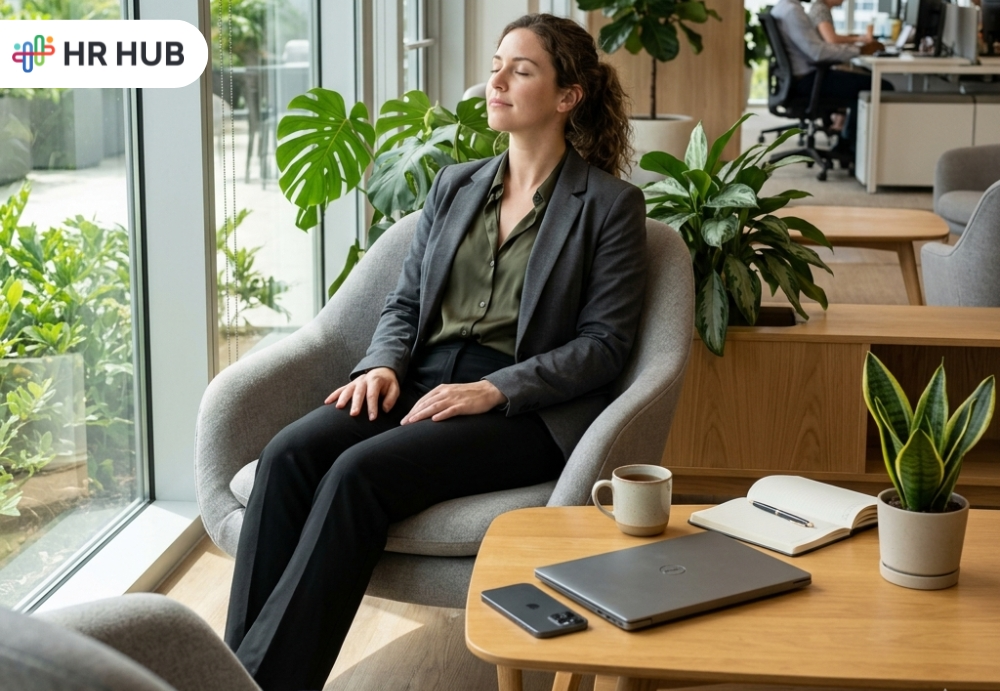
The modern workplace runs on notifications. A message from a colleague, an urgent email from a manager, a project update in a collaboration app. The flow never stops. What once made work faster and easier has quietly transformed into something far more exhausting.
For many professionals today, the workday does not truly end. Even after logging out of official systems, phones continue to buzz with reminders, updates, and late evening discussions. Over time, this constant connectivity begins to chip away at focus, energy, and emotional stability.
This is exactly why many forward-thinking organizations are introducing a surprisingly simple yet powerful benefit: a digital detox.
Rather than encouraging employees to stay connected at all hours, high-performing companies are actively creating moments where teams disconnect from digital communication. The result is stronger Employee Wellbeing, healthier Mental Health, improved Work-Life Balance, and a more sustainable approach to productivity.
The idea may sound counterintuitive in a world obsessed with speed. Yet the companies leading global performance rankings are discovering that stepping away from technology can actually help teams perform better.
When Productivity Turns Into Pressure: How Always Being Online Impacts Mental Health and Burnout Prevention
At first, constant connectivity appears efficient. Messages are answered quickly, projects move faster, and managers gain instant visibility into team activity.
But beneath this surface lies a growing challenge that many organizations are confronting.
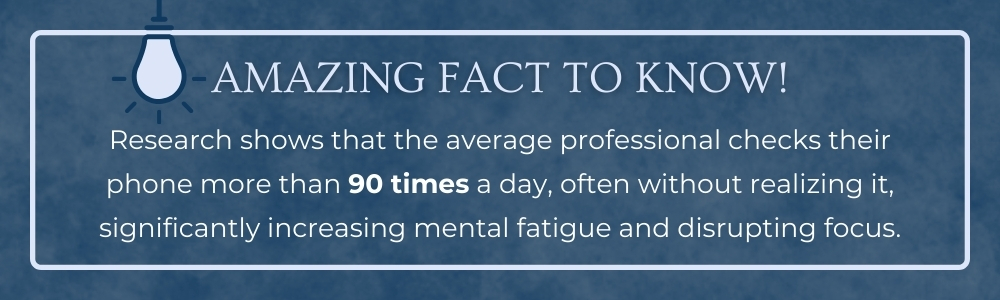
Employees rarely experience uninterrupted thinking time. Meetings interrupt focused work. Notifications interrupt conversations. Emails interrupt planning. The brain continuously switches between tasks, creating mental fatigue even before the day ends.
This pattern slowly erodes Mental Health. Employees begin to feel mentally drained, not because they are working harder, but because they never switch off.
Without boundaries, professional and personal life start to overlap. Dinner conversations are interrupted by work messages. Weekends quietly become catch-up days. Holidays turn into remote work sessions.
This erosion of Work-Life Balance has become one of the primary drivers of workplace stress worldwide.
Organizations that care about Employee Wellbeing are realizing that solving burnout requires more than wellness programs or occasional mental health sessions. The problem lies in daily work habits, particularly the expectation of constant availability.
The Digital Detox Movement: Transforming Workplace Culture and Employee Wellbeing
Digital detox in the workplace is not about banning technology. Technology remains essential for collaboration, especially in global teams working across time zones.
Instead, digital detox policies introduce structured pauses in digital communication.
These pauses can take many forms. Some organizations designate specific hours where internal communication tools are muted. Others introduce meeting-free blocks during the day to encourage uninterrupted work. Some companies even encourage email-free weekends or delayed message delivery outside office hours.
What makes these policies effective is their cultural message. They tell employees that stepping away from screens is not a sign of disengagement. It is a necessary step toward maintaining strong Mental Health and improving long-term performance.
When employees feel permitted to disconnect, they experience real recovery during breaks. This recovery allows them to return to work with clearer thinking and greater energy.
Over time, this shift strengthens Workplace Culture by replacing urgency-driven communication with more thoughtful and focused collaboration.
Why High-Performing Teams Are Prioritizing Employee Wellbeing, Mental Health, and Burnout Prevention
Interestingly, digital detox practices are not being driven by struggling companies. They are emerging from organizations known for strong performance.
High-performing teams often operate in demanding environments where expectations are high and deadlines are tight. These teams rely heavily on digital communication to coordinate work across departments and regions.
However, leaders within these teams have begun noticing a pattern. Continuous communication does not always lead to better results. In many cases, it creates distraction and mental fatigue.
By introducing intentional disconnection periods, high-performing teams allow employees to focus deeply on complex tasks without interruptions.
This deeper focus supports both creativity and problem-solving. Employees can process information more clearly and make more thoughtful decisions.
Over time, this approach significantly contributes to Burnout Prevention, allowing teams to maintain consistent performance without pushing employees to exhaustion.
How Digital Detox Practices Improve Employee Well-being and Support Mental Health
Wellness programs are common in many organizations today. Companies offer gym memberships, mindfulness sessions, and mental health support lines.
While these initiatives help employees manage stress, digital detox policies address the underlying source of that stress.
When employees are constantly exposed to digital notifications, their brains remain alert. Even short interruptions can disrupt concentration and increase anxiety levels.
Digital detox practices restore balance by allowing employees to experience uninterrupted focus and genuine rest.
These breaks improve employee well-being in several ways. Employees feel less mentally overwhelmed. They experience higher job satisfaction. They regain control over their time rather than reacting to constant messages.
This balance also protects Mental Health, which has become an increasingly important priority for organizations across India, North America, and global markets.
Companies that actively protect employee mental well-being are more likely to retain talent and maintain strong engagement levels.
Building a Healthier Workplace Culture Through Digital Boundaries and Better Work-Life Balance
Workplace expectations often shape employee behavior more than official policies.
If leaders regularly send messages late at night, employees begin to believe they must stay online as well. Over time, this creates a culture where constant connectivity becomes the norm.
Digital detox policies help redefine this expectation.
When leadership supports quiet hours, encourages uninterrupted work periods, and respects personal time, employees feel empowered to follow the same boundaries.
This shift strengthens Workplace Culture in meaningful ways. Teams communicate more intentionally. Meetings become more purposeful. Employees feel trusted to manage their time effectively.
A culture that values boundaries often produces stronger collaboration because individuals are not overwhelmed or distracted.
Instead of reacting to constant messages, teams focus on meaningful work that drives real progress.
Why Work-Life Balance Is Essential for Mental Health and Long-Term Burnout Prevention
One of the biggest lessons organizations have learned in recent years is that productivity cannot be sustained without balance.
Employees who never disconnect from work gradually lose motivation and creativity; their mental energy declines, and tasks that once felt exciting become draining.
Digital detox practices help restore Work-Life Balance by creating a clear separation between work hours and personal time.
Employees can spend evenings with family without worrying about late messages. Weekends feel like genuine breaks rather than extensions of the workweek.
This sense of balance plays a crucial role in Burnout Prevention. Employees who have time to recharge mentally return to work with renewed enthusiasm and stronger focus.
Organizations that protect work-life balance often experience lower turnover rates and higher employee satisfaction.
Organizations that actively invest in employee well-being and retention strategies often see stronger engagement and a healthier workplace culture, as explored in this guide on employee retention strategies.
Practical Digital Detox Strategies Companies Use to Improve Employee Wellbeing and Workplace Culture
Many organizations are experimenting with practical ways to introduce digital detox practices without disrupting productivity.
Some companies implement daily quiet hours where internal messaging tools are paused. Others encourage teams to schedule meetings only within defined collaboration windows.
Certain organizations introduce technology-free brainstorming sessions where teams focus on discussion rather than screens.
Managers are also encouraged to avoid sending non-urgent communications outside work hours. If a message must be written late at night, it can be scheduled for delivery during the next workday.
These small changes gradually reshape communication habits across the organization.
The result is a healthier environment that supports Employee Wellbeing, improves Mental Health, and encourages sustainable performance.
The Future of Workplace Productivity: Protecting Mental Health and Work-Life Balance
The future of work will continue to rely on technology. Collaboration tools, remote work platforms, and digital communication will remain central to modern organizations.
Yet the most successful companies will understand that human energy is the real driver of productivity.
Digital detox practices recognize that employees need moments of disconnection to maintain creativity, concentration, and motivation.
Organizations that actively support Burnout Prevention and protect Work-Life Balance are building workplaces where people can perform at their best without sacrificing their well-being.
Teams that disconnect regularly often reconnect with greater clarity, stronger ideas, and deeper collaboration.
In a world filled with constant notifications, the ability to step away from technology may become one of the most valuable benefits a company can offer.
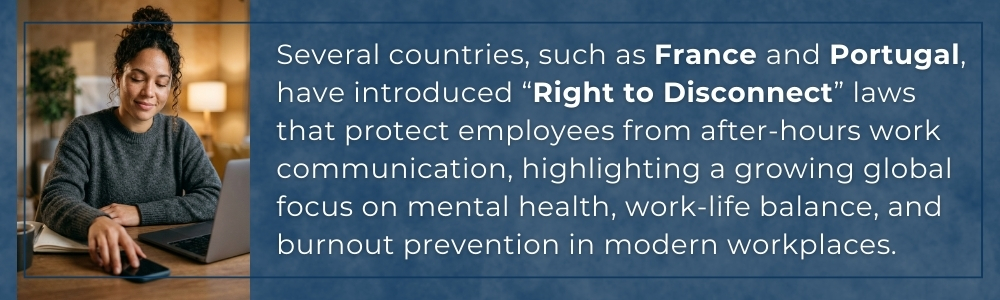
Using HR Technology to Strengthen Workplace Culture, Employee Wellbeing, and Burnout Prevention
Supporting employee well-being requires more than good intentions. Organizations need tools to build healthier work environments and manage teams more effectively.
This is where HR technology plays an important role.
Modern HR platforms such as HR HUB help organizations monitor employee engagement, track workloads, manage attendance patterns, and identify early signs of burnout. By providing better visibility into employee activity and well-being trends, HR leaders can take proactive steps to protect their teams.
With features designed to support workforce management, employee communication, and performance insights, HR HUB enables companies to create workplaces where productivity and well-being exist together.
As organizations continue to rethink how work should function in a digital world, combining digital detox practices with intelligent HR technology may become the key to building healthier, more sustainable workplaces.