The Shift Toward Smart Workforce Management
Running a retail store or small business comes with daily challenges. One of the biggest? Managing your team well.
Many business owners struggle with scheduling. They don't know when to add more staff or when to cut hours. This leads to wasted money and frustrated employees.
Technology is changing how businesses operate. Smart tools now help owners make better workforce decisions. These systems track sales, monitor performance, and suggest improvements.
Smart sales technology offers a new way forward. It connects what's happening on the sales floor with how you manage your team. The result is a more efficient business that runs more smoothly and makes more money.
Real-Time Sales Insights and Operational Efficiency
Real-time data changes everything. Instead of guessing, you know exactly what's happening in your store right now.
These systems show you which hours bring the most customers. They reveal which products sell best and when. This information helps you make smart choices quickly.
How Real-Time Data Improves Decision-Making
When you see sales data instantly, you can act fast. If Monday mornings are always slow, you can reduce staff. If Saturday afternoons are packed, you can add more workers.
Customer behavior patterns become clear with the right tools. You'll notice if people shop more before holidays or on specific days. This knowledge helps you prepare better.
Reducing Inefficiencies
Poor scheduling costs money. During slow times, too many employees waste payroll. Too few during busy times means lost sales and unhappy customers.
Real-time insights fix these problems. You can spot issues as they happen and make changes on the spot. Your inventory stays balanced, and your team works more efficiently.
Smarter Employee Scheduling and Performance Tracking
Sales data does more than track revenue. It shows you how well your team performs and when you need them most.
The old way of scheduling relied on gut feelings. The new way uses actual numbers. This approach saves time and money while keeping employees happy.
Using Sales Data to Optimize Staff Schedules
Sales data offers more than just revenue insights. It can transform how you schedule your team. By analyzing peak hours, top-selling products, and customer traffic patterns, you can ensure the right employees are on the floor at the right times.
For example, your busiest days should feature your most experienced and high-performing staff, while slower periods can operate with fewer team members. Many modern businesses use an integrated retail POS system to streamline this process. These systems combine sales trends with workforce management to provide real-time insights into employee performance and store activity. With this information, managers can create schedules based on actual data rather than guesswork.
Data-driven scheduling also reduces conflicts. When employees see that their hours align with real business needs, they understand the reasoning behind their shifts. This increases satisfaction and accountability and, over time, boosts both efficiency and the customer experience.
Linking Employee Performance with Sales Outcomes
Some employees sell more than others. Smart systems track who makes the most sales and who needs more training.
This tracking isn't about punishment. It's about growth. You can reward top performers and help struggling workers improve.
Performance data also shows you who works best together. Some teams naturally sell more when paired up. Use this information to create better shift combinations.
Tools That Integrate Everything
The best systems connect all your business data. Sales numbers, employee schedules, inventory levels, and customer information all live in one place.
This integration means less time jumping between different programs. You get a complete picture of your business at a glance.
Managers can pull reports in seconds instead of hours. They can compare this week's performance to last month or last year. All the information they need is right there.
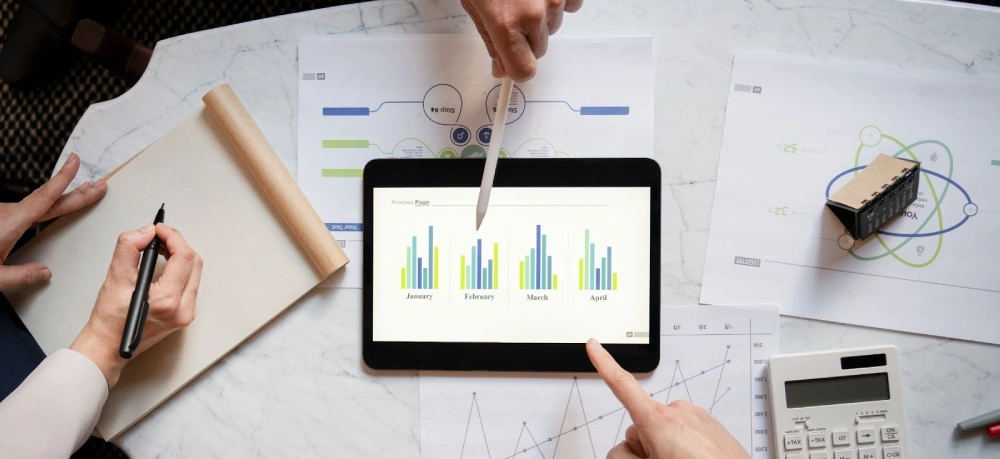
Data-Driven Decision Making for Business Growth
Numbers tell the truth about your business. They show what's working and what's not.
Smart technology turns these numbers into action plans. You stop guessing and start knowing what to do next.
Leveraging Analytics for Forecasting and Planning
Analytics predict the future based on past patterns. If sales always spike in December, you can plan ahead. Hire seasonal workers early and stock up on popular items.
Forecasting prevents two major problems: overstaffing and understaffing. Both hurt your bottom line. Good predictions keep you in the sweet spot.
Budget planning becomes easier with solid data. You know how much to spend on labor each month. You can set realistic sales goals based on past performance.
Improving Accountability and Transparency
When everyone sees the same numbers, there's no confusion. Employees know what's expected. Managers know who's meeting goals.
This transparency builds trust. Workers appreciate clear standards. They know exactly how their performance is measured.
Accountability improves when people can track their own progress. Many modern systems let employees see their sales numbers. This visibility motivates them to do better.
Enhancing Customer Experience Through Better Staffing
Happy customers come back. They also tell their friends about great service.
Good staffing directly affects customer satisfaction. When you have enough workers during busy times, customers don't wait long. They get help when they need it.
Smart scheduling means your best employees work during peak hours. These workers handle difficult situations well and make more sales. The customer experience improves, and so does your revenue.
Embracing Technology for a Competitive Edge
Technology isn't optional anymore. Businesses that adopt smart tools pull ahead of those that don't.
The companies winning in retail use data to guide every decision. They know their customers, understand their team, and manage resources wisely.
Key Benefits of Smart Sales Technology
Smart systems save money by optimizing labor costs. They increase sales by putting the right people in place at the right time. They reduce stress for managers who no longer have to guess.
Employee satisfaction goes up when schedules make sense. Workers get fair treatment based on real performance data. The best employees get recognized and rewarded.
Customer service improves across the board. Shoppers find what they need quickly. They receive expert help from well-trained staff. They leave happy and return often.
The Importance of Adapting to Digital Tools
Businesses that resist change fall behind. Your competitors are already using these tools. If you wait too long, catching up becomes harder.
The good news? Most modern systems are easy to learn. They're designed for busy owners who don't have time for complicated software. Many offer training and support to help you get started.
Starting small makes sense. Pick one area to improve first. Maybe that's scheduling, or maybe it's sales tracking. Once you see results, you can add more features.
Future Trends in Workforce Management
Artificial intelligence will play a bigger role soon. These systems will get even better at predicting what you need. Mobile technology continues to grow. Soon, managers will control everything from their phones. Employees will clock in, check schedules, and view performance all from mobile apps.
Integration between different business tools will deepen. Your sales system will talk to your accounting software. Your scheduling tool will connect to your payroll. Everything will work together smoothly.
The businesses that thrive will be those that adopt new technology quickly. They'll use data to make smart choices. They'll treat their workforce management as a competitive advantage, not just a necessary task.
Smart sales technology isn't coming. It's already here. The question is whether you'll use it to grow your business or watch competitors pass you by.