There is a quiet moment in every company’s growth when spreadsheets stop making sense. The HR team starts juggling too many tabs, approvals get lost in emails, and data feels scattered across drives that no one remembers to back up. Then someone suggests it: “Maybe we should look for HR software.”
That sentence, simple as it sounds, opens the door to a mix of excitement, doubt, and a long list of myths that can easily derail what should be a smooth transformation. Let’s walk through these myths together, not as cold facts, but as stories from the real world of HR teams who dared to automate and never looked back.
Myth 1: HR Software is Only for Large Enterprises
This belief has stopped countless small and mid-sized businesses from exploring automation. For years, HR software carried the image of a bulky enterprise system with a massive setup cost and an even larger learning curve.
But times have changed. Cloud computing and modular design have rewritten the rulebook. The best HRIS systems today cater to companies of every size. Whether you have 15 employees or 1,500, you can adopt a platform that grows with you.
Imagine this: A small retail chain struggling to manage shift schedules finally adopts a cloud-based HR tool. Overnight, attendance syncs automatically with payroll, and employees check schedules from their phones, no lengthy setup, no extra hardware, just instant clarity.
That is the real beauty of modern HR software. It scales down as gracefully as it scales up. What used to be “enterprise technology” is now the everyday backbone for agile, growing teams.
Myth 2: Implementation Always Disrupts Daily Operations
When HR teams picture “implementation,” they often imagine weeks of confusion; new screens, new rules, and panicked calls to IT. In reality, the best HR software platforms are built to fit into existing workflows, not force new ones overnight.
The trick lies in planning and partnership. Leading vendors today begin with a diagnostic phase to understand how your team already works. Then they tailor a rollout strategy in manageable waves. Phase one might focus on core modules like employee data and attendance. Phase two could introduce payroll and performance management.
This phased approach means you never turn off the lights and start from zero. Instead, you run both systems side by side for a short period, test the new setup, iron out the quirks, and move forward with confidence.
The right implementation partner makes all the difference. They bring templates, training sessions, and simulation runs that help your HR team see value from day one.
Myth 3: Non-Tech Teams Will Struggle to Learn It
There was a time when HR systems looked like 1990s accounting dashboards: clunky, cryptic, and intimidating. Those days are gone.
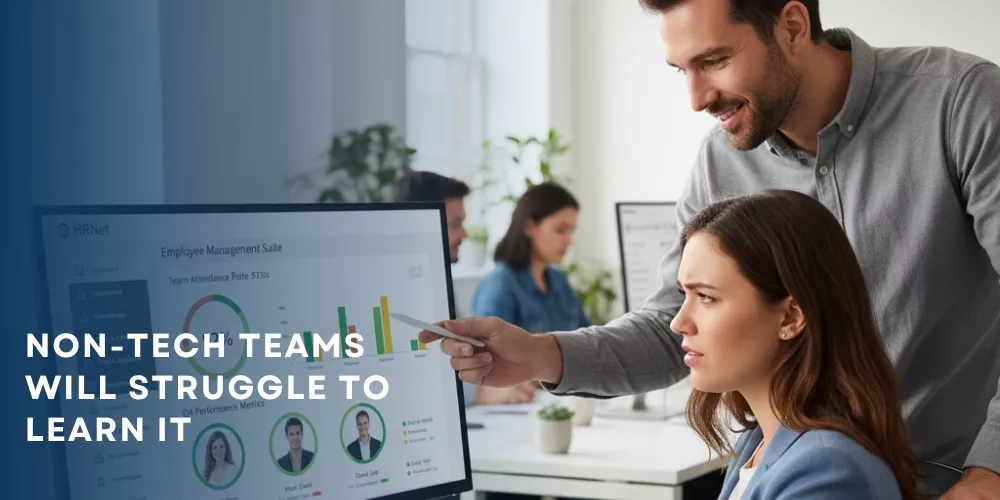
The best HR software today is designed for humans, not for technicians. Interfaces are intuitive, tasks are self-explanatory, and automation handles the heavy lifting behind the scenes. For example, instead of manually calculating overtime or deductions, the system does it instantly based on rules you set once.
Training no longer feels like learning a new language. Modern HRIS tools come with interactive walkthroughs, quick video tutorials, and even built-in help assistants that guide you in real time. The average HR professional can become proficient within days, not months.
One HR manager once described the experience perfectly: “It felt less like switching software and more like turning on the lights in a dark room.”
Myth 4: Data in the Cloud Isn’t Safe
Few myths are as persistent as this one. The fear of losing control over sensitive employee data keeps many organizations stuck with manual files and outdated systems. But here is the truth: your data is probably safer in the cloud than in your local drive.

The best HRIS systems use enterprise-grade security protocols, including encrypted data transfer, role-based access controls, multi-factor authentication, and regular penetration testing. Vendors invest in cybersecurity far beyond what any single organization could afford on its own.
Even compliance has evolved. Today’s top HR solutions meet ISO, GDPR, and SOC standards, providing organizations with complete transparency into where data lives and how it is protected.
And here is something rarely mentioned: cloud backups also mean continuity. If your office server crashes, your HR data remains untouched, instantly recoverable, and accessible from anywhere. Security is no longer a barrier; it is a built-in advantage.
Myth 5: Implementation Takes Too Long to Show Results
HR transformation indeed takes planning. But the idea that it takes forever to see results is outdated. Companies that approach implementation strategically often see impact in the very first month.
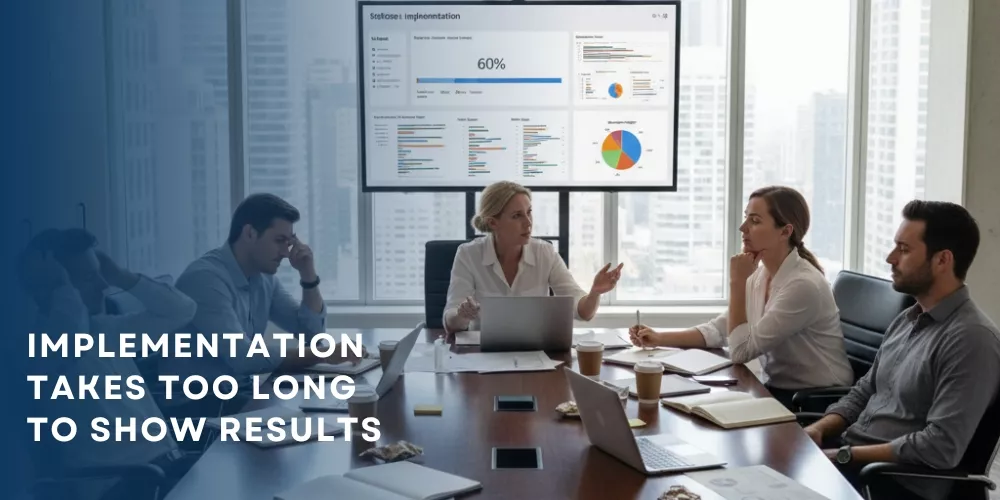
Automating time tracking eliminates errors. Self-service portals reduce routine HR queries. Reports that once took days appear in seconds. These are immediate wins, not long-term dreams.
The best HR software platforms are built around quick value delivery. Instead of waiting for a “big bang” launch, they allow you to deploy high-impact modules early, learn from them, and expand gradually.
Fundamental transformation is cumulative. Each phase builds momentum and confidence, creating a ripple effect that strengthens every HR process over time.
Myth 6: Customization Will Blow the Budget
Customization used to mean endless coding and invoices. Thankfully, those days are history. Modern HR software is built around configurability rather than customization.

That means you can adjust your system without depending on developers. Add new fields, change approval routes, design custom reports, or tweak workflows, all within the admin panel. This flexibility keeps costs predictable and the implementation process light.
Think of it like tailoring a suit: the foundation is ready, but the fit is made for you. The best HRIS systems understand that no two organizations are identical. They let you shape the software to your policies rather than forcing your team to adapt to rigid templates.
Myth 7: Employees Will Resist the Change
Adoption fear is real. Many HR leaders worry employees will ignore the new tool and keep emailing requests as usual. But that assumption often underestimates how quickly people embrace convenience.
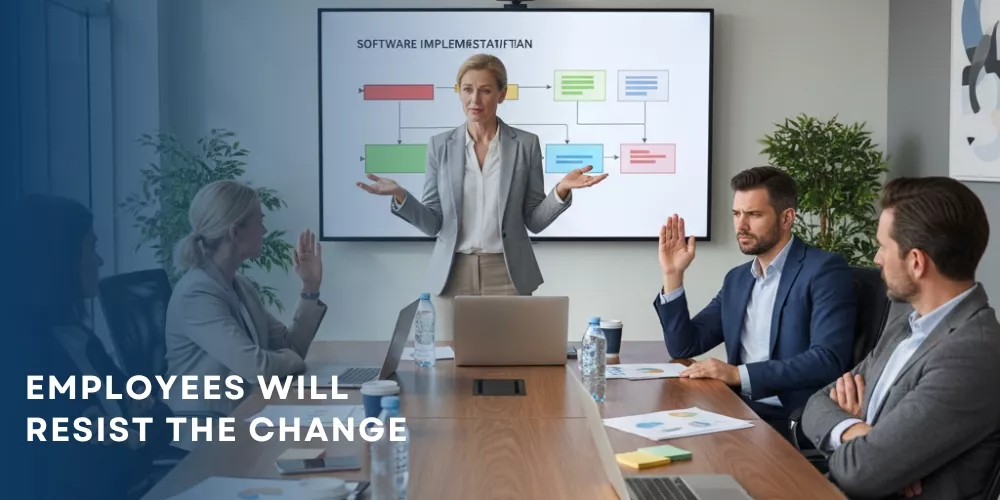
Employees are not resistant to change; they are resistant to frustration. When the new system actually makes their life easier, they adapt faster than you expect.
The best HR software today comes with mobile apps, clear dashboards, and one-tap actions. Leave requests, payslips, and performance feedback become accessible anywhere. Add a bit of communication, a few short training videos, and a few early success stories, and your adoption challenge becomes excitement.
The truth? People love tools that respect their time.
Beyond the Myths: What Implementation Really Means
Successful implementation is not about software installation; it is about cultural transformation. It shifts HR from reactive problem-solving to proactive people strategy.
When data is centralized, insights begin to emerge. You can spot absentee trends, track engagement patterns, forecast attrition, and align compensation with performance. Suddenly, HR stops being a support department and becomes a driver of business intelligence.
The best HR software is not just a tool; it is a decision-making engine. It connects employees, managers, and leadership on one transparent platform where real data informs actions.
And when that happens, HR stops chasing paperwork and starts shaping company culture.
From Myths to Momentum: The HR HUB Way
The future of HR belongs to organizations that move beyond hesitation and embrace intelligent automation. And that future is already here, embodied in solutions like HR HUB.
HR HUB is a next-generation human resource management platform designed to make implementation simple, scalable, and surprisingly human. With over 30+ integrated modules, it covers every aspect of the employee lifecycle, from onboarding, payroll, and attendance to performance, compliance, and analytics.
What sets HR HUB apart is its philosophy: technology should adapt to people, not the other way around. Its interface feels intuitive, its automation works quietly in the background, and its insights help leadership make faster, data-driven decisions.
For growing businesses, HR HUB is more than software; it's a digital HR partner. Implementation is guided by experts who understand both the technical and emotional sides of change. The result is a transformation that feels natural, not forced.
So when you next hear someone say, “Implementing HR software is too complicated,” remind them that the real myth is thinking that manual HR can keep up with the modern world.
Your team deserves clarity, accuracy, and freedom from repetitive work. The path to that future begins not with fear, but with the right platform, and HR HUB is here to make that journey effortless.