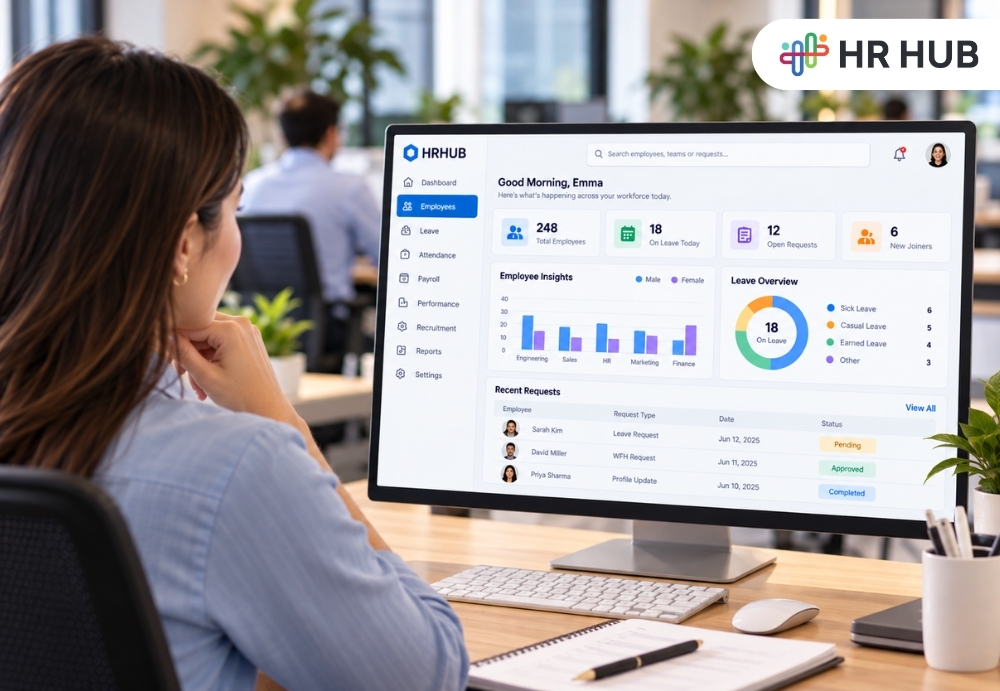
A new HR system can look simple from the HR team's side. For an employee, it can raise a very different set of questions.
Why is my information collected? Who can see it? Why do I need to use this app? What happens after I submit a request? Is software deciding about me, or is a person still involved?
These questions do not necessarily mean employees dislike technology. They often mean employees want to understand how the tools affecting their working lives actually work.
This is where digital HR Software becomes more than a technology project. When employees know what information is collected, why it is needed, who can access it, and what happens next, a new HR system can feel less mysterious. It becomes part of a familiar workplace process.
Digital HR Is Not Only a Technology Change
It is easy to describe digital HR Software as moving HR tasks from paper and spreadsheets into software. That is part of the change, but it is not the whole story.
The bigger change is in how employees experience HR.
A leave request that once required an email may now be submitted through a self-service portal. An employee who once had to ask HR for a payslip can access it directly. A personal detail that HR previously had to update can be maintained by the employee. A company announcement that once arrived through scattered emails can appear in a central place.
These changes affect everyday interactions.
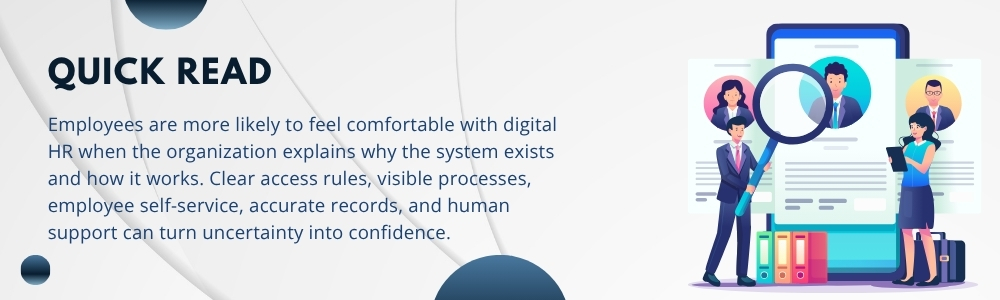
When HR technology changes the way employees request, access, update, or receive information, employees naturally want to know what is happening behind the screen. HR technology adoption is not only about whether a system has useful features. It is also about whether employees understand the reason for the change and feel comfortable using it.
This is why HR digital transformation should include employee communication from the beginning. Employees should not first learn about a new system when they receive a login link. They should understand what the system is for, what they can do with it, and which situations will still involve a person.
Why Employees Sometimes Resist New HR Systems
Resistance is often described as a reluctance to learn something new. But imagine being asked to enter your address, bank details, emergency contacts, and identification documents into a platform you have never used.
Wouldn't you want to know how that information is protected?
For many employees, hesitation is a reasonable response to unanswered questions.
They Don't Know Why Certain Information Is Required
An employee updating their profile might wonder why the company needs a particular document or personal detail. If the purpose is not explained, even a routine request can feel intrusive. HR teams can reduce uncertainty by explaining why information is needed, how it supports employment-related processes, and whether providing it is mandatory.
For example, emergency contact information has a clear purpose: helping the organization reach someone when necessary.
They Are Unsure Who Can Access Their Information
Employees may be comfortable sharing information with HR but uncomfortable with the idea that everyone in management could potentially view it.
This makes transparency around data access control. Organizations should communicate how permissions are assigned, which roles can access information, and what employees should do if they notice something incorrect.
Not every employee needs a technical explanation of access controls. They need a clear explanation of what those controls mean for them.
They Worry About Automated Decisions
Suppose an employee submits a leave request and receives an unexpected rejection.
Was it rejected by the manager?
Did a policy rule prevent approval?
Was the information missing?
Without an explanation, the employee may assume the system made an unfair decision. Digital workflows should make it easier to understand the process, including who is responsible for reviewing a request and how employees can raise concerns. Automation can support consistency, but it should not make accountability invisible.
They Fear Losing Human Interaction
Some employees associate digital systems with fewer opportunities to speak to HR. This concern becomes especially important during sensitive situations involving personal information, workplace concerns, or employment changes.
The goal of HR technology adoption should not be to eliminate human conversations. It should be to reduce repetitive administrative work, so HR professionals have more time for conversations that genuinely need attention.
They Have Experienced Confusing Systems Before
An employee who has previously struggled with complicated forms, forgotten passwords, or unclear approval processes may approach a new platform with skepticism.
That is why implementation announcements alone are rarely enough. Employees need practical demonstrations, accessible guidance, and opportunities to ask questions.
Employee Experience Depends on Everyday HR Interactions
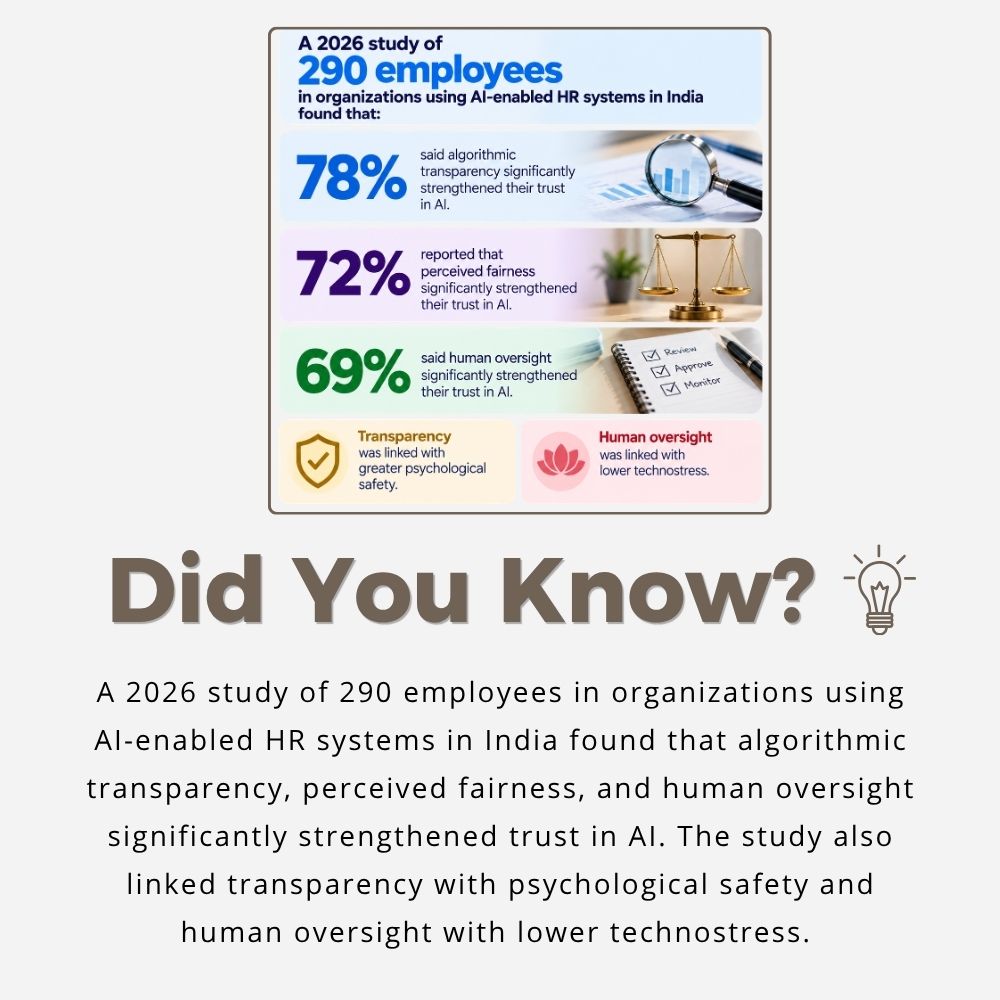
Trust is not created by one training session. It develops through repeated experiences.
An employee submits a leave request and can see its status. They update their address and know the information has been saved. They download a payslip without sending an email. They receive a notification when approval is completed. They access an HR document when they need it.
Small moments like this shape how employees think about HR. HR digital transformation works best when these everyday interactions feel clear rather than complicated. A system that saves time for HR but creates confusion for employees has not solved the whole problem.
Employee self-service can play an important role here. The portal allows employees to update personal details, access payslips, check leave information, submit HR requests, and track request status from a centralized dashboard.
That creates a visible connection between employee action and the HR process. An employee does not have to wonder whether their request disappeared into an inbox. They can see that it was submitted and track its progress.
The same principle applies to employee information. When employees can review and update appropriate personal information directly, they become active participants in keeping records current. Employee information functionality supports maintaining employee records within the HR system.
This does not remove HR from the process. It changes where HR needs to pay attention. Routine updates can be handled directly. Exceptions, sensitive questions, approvals, and employee concerns can still receive human attention.
That balance is central to successful HR technology adoption.
Successful Digital HR Software Starts with Employee Trust
A new HR system can be launched in a few weeks or months. Building employee confidence may take longer.
Organizations cannot assume that employees will immediately embrace a platform because it offers useful features. People need time to understand new processes, ask questions, and experience the benefits themselves. This makes HR technology adoption a gradual process rather than a one-time launch.
The following practices can help organizations make the transition more comfortable.
Start With Conversations, Not Announcements
Before introducing a new platform, ask employees what frustrates them about existing HR processes.
Do they struggle to find documents? Are approval processes confusing? Do they frequently need to contact HR for information?
These conversations help organizations understand which problems matter most. They also make employees feel included in the change. When people recognize their everyday concerns in a new solution, they have a stronger reason to explore it.
Demonstrate Everyday Benefits
A presentation explaining twenty software features may impress management, but employees are more interested in understanding how to complete their tasks.
Show them how to apply for leave, locate a payslip, update personal details, or find an announcement. Use realistic examples rather than complicated technical demonstrations.
This practical approach can make HR technology adoption less intimidating, particularly for employees who are unfamiliar with digital systems.
Make Privacy Part of the Conversation
Trust should never depend on employees simply assuming how their information is stored and protected. Explain the organization's data-handling practices, access permissions, and support procedures.
If certain information is visible only to authorized personnel, clarify what that means in practice.
If an employee wants to correct a record, explain the process. This is where employee trust technology considerations become practical: people should understand the safeguards and responsibilities surrounding the tools they use.
Keep Human Support Accessible
A digital portal should not become a barrier between employees and HR. Some questions can be answered through self-service. Others require empathy, context, and personal conversation.
An employee facing a sensitive workplace issue may need reassurance that someone will listen rather than simply direct them to an online form.
The strongest digital experiences recognize this distinction. Technology handles routine activities, while people remain available for situations requiring judgment and understanding.
Ask Employees Whether the Change Is Working
After implementation, organizations should continue listening.
- Are employees finding information easily?
- Do they understand notifications?
- Are approval steps clear?
- Do they know where to report problems?
Short surveys, employee feedback, and recurring questions can reveal where additional guidance is needed. These insights also help organizations understand whether HR digital transformation is improving the employee experience rather than merely changing the tools employees use.
Measure Understanding, Not Just Logins
A high login count does not automatically mean employees trust the system. Someone may log in frequently because they cannot find what they need.
Instead, HR teams can evaluate whether employees can complete routine tasks independently, understand request statuses, and access help when necessary.
For organizations prioritizing employee trust technology, these indicators provide a more meaningful perspective than system usage alone.
The goal is not to make employees use software more often. It is to make their HR interactions clearer, easier, and more dependable.
Best HR Technology Is Technology Employees Understand
The future of digital HR Software is not simply replacing paper forms with online workflows.
It is about creating an environment where employees understand how their information is managed, why processes exist, and how technology can support their working lives.
When organizations explain changes clearly, respect privacy, maintain human support, and listen to feedback, employees have stronger reasons to feel comfortable with new systems.
And that confidence matters.
Because a successful HR system should not leave employees wondering what happens behind the screen. It should help them feel informed about the processes that affect them.
Make Everyday HR Simpler with HR HUB
Building employee confidence begins with making everyday HR experiences easier to understand and manage.
HR HUB brings employee information, self-service, notifications, document-related processes, and mobile HR access into a connected HR management experience.
Employees can access routine information and manage supported requests, while HR teams can spend less time handling repetitive administrative activities and more time supporting people.
Whether your organization is beginning its digital journey or improving existing processes, HR HUB can help make HR activities more accessible and organized.